pledging gold hand

I inherited gold jewellery from close relative. How much tax will I pay when I sell it in the market?

Advice by CA Niyati Shah, Vertical Head – Personal Tax at 1 Finance

When you inherit, there’s relief – and then there’s homework. Inheritance itself is not taxed in India. The real story begins only when you sell. That’s where most legal heirs get caught off guard.

1. It’s not income – until you sell

Receiving inherited gold is not a taxable event, however, the gold jewellery worth ~₹50 lakh becomes your capital asset. The Income Tax Act treats the transfer as inheritance, not income. Tax arises only when you (the heir) sell it: the sale is treated as a transfer of a capital asset and attracts capital gains tax in your hands.

2. The 24-month rule – time defines tax

The Finance (No. 2) Act, 2024 (effective from 23rd July, 2024) updated the rules of capital gains.

> Short-term gains: If the holding period (including your relative’s ownership) is ≤ 24 months, gains are taxed at your slab rates.

> Long-term gains: If held > 24 months, gains are taxed at a flat 12.5%, without indexation benefit.

3. Cost of acquisition – the 2001 lifeline

If your relative purchased the jewellery before 1st April, 2001, you can adopt the higher of:

> The actual cost or

> The fair market value (FMV) as on 1st April, 2001.

With gold prices being modest then, this cushions your tax outgo. A registered valuer’s certificate can be worth its weight in gold – literally.

4. Can Section 54F help you save tax?

Yes. Sell long-term jewellery, reinvest the entire sale proceeds (not just gains) in a residential house in India within the stipulated window (2 years for purchase, 3 years for construction), and your gains can escape tax by claiming full exemption.

Pro tip: park money in a Capital Gains Account Scheme before filing your Income Tax Return, if you need time to scout for the right property and preserve your exemption window.

However, please note, you should not already own more than one residential house (other than the new one) on the date of investment.

5. Paperwork – your best armour

The tax department often scrutinises inherited assets on cost, date, and ownership. Documenting well saves stress and money. Here’s a checklist:

Why documents matter

Proper documentation is essential when dealing with inherited gold to establish ownership, verify cost, and claim tax exemptions. Key documents include the Will, death certificate, legal heir or succession certificate, and probates to prove inheritance and ownership. Original purchase invoices or payment proofs help establish the cost basis, while a registered valuer’s FMV certificate as of 1st April 2001 allows you to claim the cost substitution benefit. Hallmark or purity certificates, photographs, and repair bills verify the asset’s identity and any improvements made.

Sale invoices and payment receipts substantiate the sale value, and bank proofs of reinvestment or deposits in a Capital Gains Account Scheme (CGAS) are needed to claim exemptions under Section 54F. Additionally, TDS certificates and Form 26AS help claim credit for any tax deducted by the buyer. These records should be maintained for at least eight years after filing the return, and longer if litigation is possible.

6. Other taxes & compliances

● TDS (Section 194Q): A jeweller with a turnover >₹10 crore buys jewellery worth over ₹50 lakh from you in a year, they must deduct 0.1% TDS on the excess. This will reflect in your Form 26AS and is creditable.

● GST: Not applicable on your personal sale of jewellery; the dealer handles GST.

● Cess and surcharge: 4% cess and applicable surcharge (based on your income level) are added to the capital gains tax.

Conclusion:

Inheriting gold may feel like a windfall, but tax law treats it with precision. The relief is that inheritance itself is tax-free. The responsibility is that when you monetise it, classification, documentation, and reinvestment choices decide whether it remains a blessing or becomes a burden. Treat your heirloom with tax wisdom, and it will shine just as brightly in your balance sheet as in your jewellery box.
123

Why Gold Jewellery Often Takes Years To Deliver Real Returns — Experts Explain

Gold has long been regarded as a symbol of wealth and security, making it a preferred choice among investors. However, experts emphasise that not all gold acquisitions deliver the same financial returns. Jewellery, while visually appealing, often involves hidden costs that can delay wealth creation. According to financial experts, choosing investment-grade gold, gold ETFs, or sovereign bonds offers a more reliable path to long-term wealth accumulation, allowing investors to benefit from price appreciation without unnecessary expenses.

Understanding Gold As An Investment

Gold continues to attract investors due to its historical price appreciation and perceived stability. Experts highlight, however, that there is a clear distinction between gold bought for ornamentation and gold acquired strictly for investment purposes. Pure 24K gold, which is 99.9% pure, qualifies as “investment grade,” whereas common jewellery such as 22K, 18K, or 14K contains significantly less pure gold.

The Hidden Costs Of Jewellery

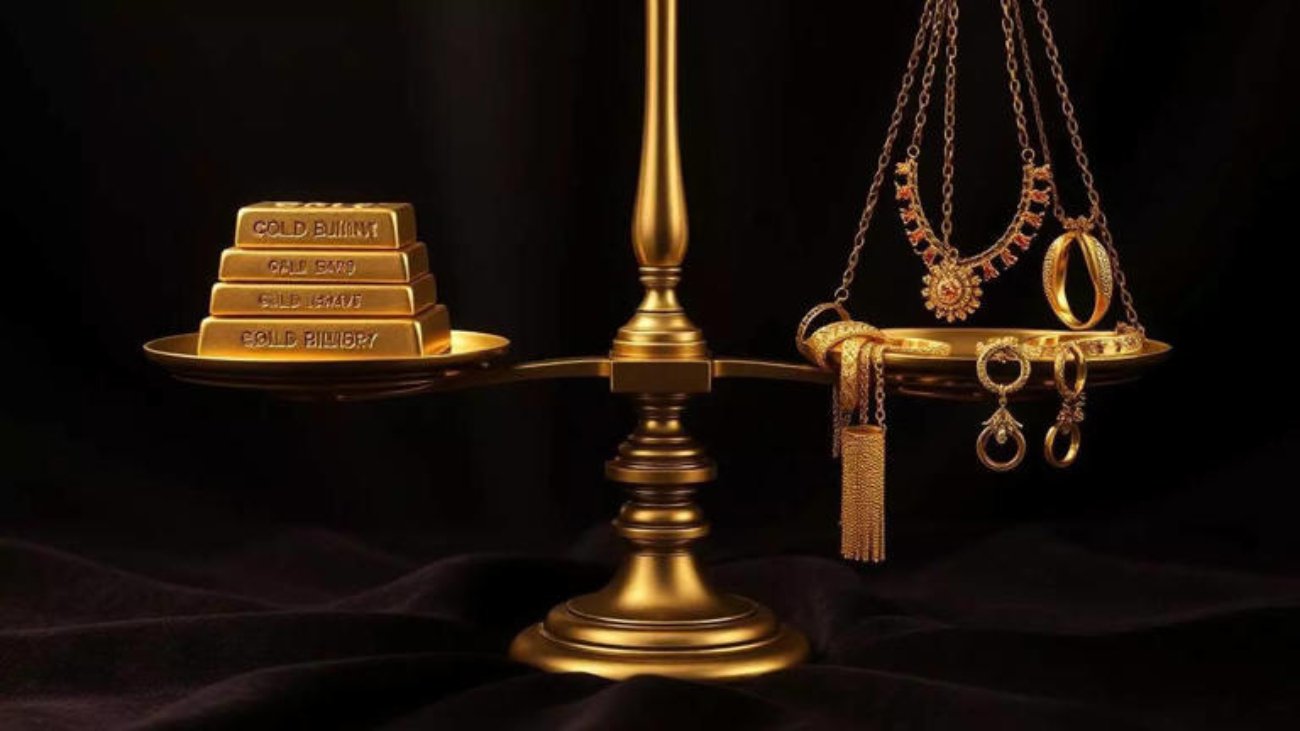
Purchasing gold jewellery involves additional expenses that can erode potential returns. Making charges on ornaments typically range from 10% to 25%, and designer pieces may carry even higher premiums. A 3% goods and services tax further adds to the cost. Experts note that jewellers often offer buyback rates below the prevailing market price, meaning investors may need five to seven years simply to break even on jewellery purchases.

Historical Performance Of Pure Gold

Looking at long-term trends, pure gold has consistently delivered solid returns. For instance, 10 grams of 24K gold priced at approximately Rs 6,300 in 2004 appreciated to around Rs 78,000 by 2024, representing a compound annual growth rate of 13–14%. Such growth has allowed investments to double roughly every 5–6 years, making 24K gold a reliable instrument for long-term wealth accumulation.

Global And Domestic Significance

India remains one of the largest consumers of gold, with households holding over 25,000 tonnes, which equates to nearly 40% of the country’s GDP. Central banks globally continue to strengthen reserves, acquiring significant quantities each year. Experts emphasise that gold supply is limited, with annual mining contributing just 1.5–2% of total stock, reinforcing its value as a scarce and durable asset.

Smarter Alternatives To Jewellery

For investors aiming to grow wealth rather than simply own ornaments, alternatives like 24K gold bars or coins with the BIS hallmark, gold ETFs, gold SIPs, and sovereign gold bonds provide better financial outcomes. These instruments allow investors to benefit from price movements without incurring heavy making charges or low buyback rates, offering a more predictable and efficient approach to gold investing.

Avoiding Emotional Purchases

Experts caution against conflating the aesthetic appeal of jewellery with investment potential. Jewellery is valuable for cultural and emotional reasons but does not compound wealth effectively. Investors are advised to separate the desire for ornamental gold from investment decisions to optimise financial growth.

Current Market Trends

Recent price movements demonstrate the continued demand and appreciation for gold. For example, 24K gold prices increased from Rs 1,08,140 per 10 grams to Rs 1,08,900 within a single day, reflecting market dynamics and investor interest. Prices vary slightly between cities, yet the overall trend indicates sustained demand and potential for returns in pure gold investment avenues.

While gold jewellery holds emotional and cultural significance, experts emphasise that it may not be the most financially efficient form of gold investment. Alternatives such as 24K bullion, ETFs, and sovereign gold bonds provide structured and cost-effective ways to accumulate wealth. Long-term planning, awareness of hidden costs, and separating emotions from investment decisions are key to leveraging gold as a powerful wealth-building asset.

Sell Gold

If you’re looking to make some extra cash, one of the easiest ways is to sell gold you no longer wear or need. Whether it’s broken jewelry, old coins, or gold bars, many people choose to sell gold when they want to declutter or take advantage of high market prices. It’s important to find a trustworthy buyer when you decide to sell gold, so you can get a fair and competitive offer. Always compare rates and check reviews before making the final decision to sell gold.

Sell Gold for money

If you’re looking to unlock the value of your gold, you can choose to sell gold for money quickly and easily. Whether it’s gold jewelry, coins, or scrap gold, deciding to sell gold for money can provide you with immediate cash based on the current market value. It’s important to find trusted buyers when you sell gold for money, ensuring you get a fair deal and transparent pricing. By choosing reputable dealers, you can confidently sell gold for money and enjoy a smooth, hassle-free transaction.

Sell Gold near me

If you’re looking to unlock the value of your gold, you can choose to sell gold for money quickly and easily. Whether it’s gold jewelry, coins, or scrap gold, deciding to sell gold for money can provide you with immediate cash based on the current market value. It’s important to find trusted buyers when you sell gold for money, ensuring you get a fair deal and transparent pricing. By choosing reputable dealers, you can confidently sell gold for money and enjoy a smooth, hassle-free transaction.